Contents
- Sodium chlorate (NaClO₃) is a strong oxidiser; its main use is generating chlorine dioxide for pulp bleaching.
- In China it is made to GB/T 1618-2018 (Type I dry, Type II wet, three grades); in CIS countries to GOST 12257-93.
- Buyers in the region choose between a producer in Uzbekistan, Russian distributors and supply from China — each differs in lead time, lot size and price.
- It is dangerous goods (UN 1495, class 5.1) and a controlled substance: the seller must verify the buyer and intended use.
- An accurate offer needs the intended use, grade, quantity, packaging, destination and required documents.
Sodium chlorate is an inorganic salt of chloric acid and a key chlor-alkali chemical. Most of the world's output goes to pulp mills, which turn it into chlorine dioxide for bleaching; the rest is used in chemicals, hydrometallurgy and water treatment. Buying it is more involved than buying ordinary chemicals: you need the right grade, a comparison of sources, documents confirming intended use and a carrier licensed for dangerous goods.
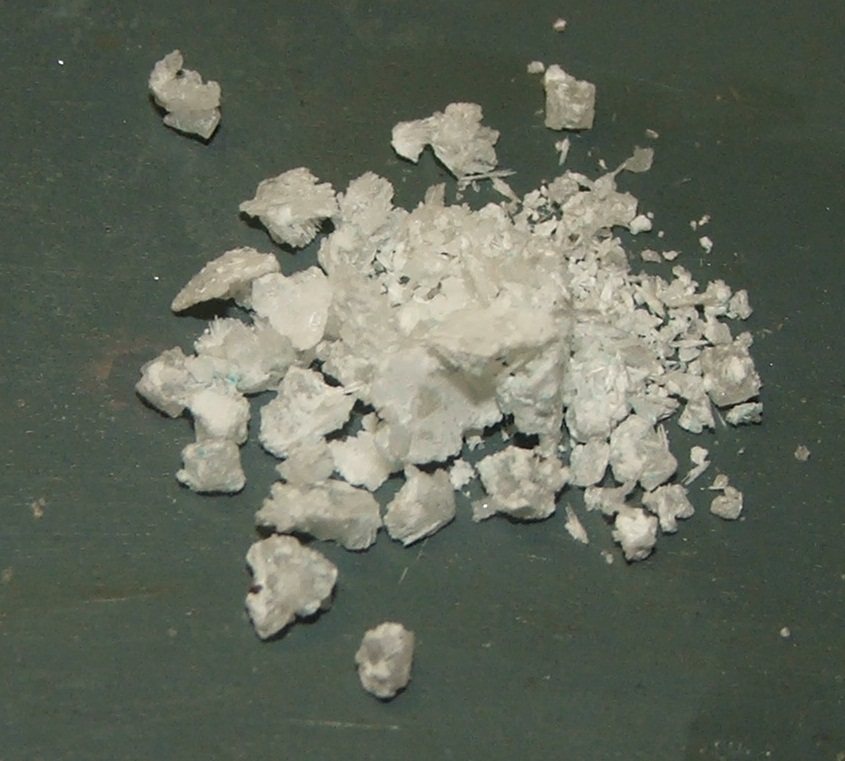
What sodium chlorate is
Sodium chlorate
- CAS
- 7775-09-9
- Molar mass
- 106.44 g/mol
- Appearance
- white or slightly yellowish crystalline powder
- Solubility
- very soluble in water
- Melting point
- ≈ 248 °C, decomposes on further heating
- HS code
- 2829 11
The chlorate ion ClO₃⁻ carries three oxygen atoms, which makes sodium chlorate a strong oxidiser: above its melting point it decomposes, releasing oxygen and sharply intensifying the burning of other materials. It does not burn by itself; the danger lies in contact with combustibles, acids and reducing agents. A slight yellow tint comes from trace chromium compounds used in electrolysis.
How it is produced
- 01
Brine preparation
Sodium chloride brine is purified of calcium, magnesium and other metals.
- 02
Electrolysis
In an undivided cell sodium chlorate forms; a little sodium dichromate is added to raise efficiency.
- 03
Crystallisation
Chlorate crystals are recovered; mother liquor is recycled.
- 04
Separation and drying
Crystals are centrifuged; the wet product is Type II under GB/T 1618, the dried product Type I.
- 05
Packing
Dry product is packed in packaging certified for class 5.1 dangerous goods.
Electricity is the main cost, so prices vary between producers. If your process is sensitive to chromium, state the acceptable level in your inquiry.
Uses
Pulp and paper
On-site chlorine dioxide for ECF bleaching — the largest use.
Chemicals
Feedstock for sodium perchlorate, potassium chlorate and other chlorine compounds.
Hydrometallurgy
Oxidiser in some acid-leaching and ore-processing routes.
Water treatment
Chlorine dioxide for disinfection at large facilities.
Standards: GB/T 1618-2018 and GOST 12257-93
| Parameter | Superior | First | Qualified |
|---|---|---|---|
| NaClO₃ (dry basis), %, min — Type I | 99.5 | 99.0 | 98.0 |
| NaClO₃ (dry basis), %, min — Type II | 99.5 | 99.0 | 97.0 |
| Water-insoluble matter, %, max | 0.01 | 0.02 | 0.03 |
| Main purpose | perchlorates, oxidisers, other chlorates | chlorine dioxide, chlorite, textiles, paper | chlorine dioxide, chlorite, textiles, paper |
GB/T 1618-2018 also limits moisture, chlorides, chromate, sulphate and iron — check the standard and the producer's TDS. GOST 12257-93 covers a solid product (white to yellow fine crystals) and liquid grades A (for chlorine dioxide) and B (for magnesium chlorate, oxidisers and bleaching compounds); its values are in Table 1 of the standard. Qinghai Zhenhuida's catalogue lists ≥ 99.5% NaClO₃ (dry basis), ≤ 0.15% chlorides, ≤ 0.10% moisture, GB/T 1618-2018 Type I.
Ask for a batch COA covering every parameter that matters to you, with test methods, and compare values on the same basis (dry or as-is). For GOST-based tenders, check whether an accredited laboratory test report is required.
Where buyers in Central Asia source it
| Producer in Uzbekistan | Russian distributors | Supply from China | |
|---|---|---|---|
| Standard | GOST 12257-93 | GOST 12257-93 or plant spec | GB/T 1618-2018, values per COA |
| Minimum lot | per plant terms | from 1 t, small packs available | usually a container; less by agreement |
| Lead time | short haul | fast from stock | longer: inland, border, international leg |
| Grade choice | plant range | depends on stock | wide: Type I/II, three grades, several producers |
| Best for | regular buying near Uzbekistan | urgent, small needs | regular container lots, high-purity needs |
Buyer requirements
In China sodium chlorate is on the list of controlled chemicals: it is sold only to legal entities, with confirmed industrial use and bank payment. Destination-country rules vary — permits, storage or record-keeping requirements may apply — so check with a customs broker before contracting. Qinghai Zhenhuida asks every buyer for company registration details and an end-use letter.
Transport and storage
- UN 1495, class 5.1, packing group II; ADR by road, dangerous-goods rules by rail; DG transport document, SDS and COA.
- Certified packaging — e.g. 25 kg lined bags or 1 t UN bulk bags — with the class 5.1 label; no co-loading with combustibles or acids.
- The carrier confirms acceptance of the route in advance; for Kazakhstan the main overland route is via Khorgos.
- Store in a separate dry, cool oxidiser area away from combustibles, acids, reducing agents and metal powders. Clothing soaked in chlorate solution becomes highly flammable when dry.
How to buy
- 01
Inquiry
State intended use, grade, quantity, packaging, destination and documents.
- 02
Buyer check
We request company registration details and an end-use letter.
- 03
Offer
Producer, grade, availability, packaging and transport are confirmed in a written offer.
- 04
Documents
TDS, SDS and a sample COA to agree the values.
- 05
Contract and payment
Values, Incoterms, timing and acceptance terms; payment by bank transfer.
- 06
Dispatch
DG documents, loading and handover to a class 5.1 licensed carrier.
Frequently asked questions
What is sodium chlorate used for?
Mainly to make chlorine dioxide for pulp bleaching; also as feedstock for perchlorates and other chlorates, as an oxidiser in hydrometallurgy and for chlorine dioxide in water treatment.
How does sodium chlorate differ from sodium perchlorate?
The chlorate ion has three oxygen atoms (ClO₃⁻), the perchlorate ion four (ClO₄⁻). Sodium perchlorate is made from chlorate by further electrochemical oxidation; it is a different product with different uses.
Which grade should I choose?
Under GB/T 1618-2018 the superior grade is for perchlorates and other chlorates; first and qualified grades are for chlorine dioxide, chlorite, textiles and paper. The final choice depends on your process's impurity limits.
Why is sodium chlorate sometimes yellowish?
Because of trace chromium compounds used in electrolysis. GOST 12257-93 allows white to yellow colour. If chromium matters, limit it in the contract.
Is sodium chlorate dangerous goods?
Yes: UN 1495, class 5.1 oxidiser, packing group II, shipped under ADR or rail dangerous-goods rules.
Is a licence needed to buy sodium chlorate in Kazakhstan?
It depends on the intended use and current legislation; check with a customs broker before contracting. We will request company registration details and an end-use letter.
Can I buy a small lot?
From China a container load is the economical unit; smaller lots are discussed individually. For an urgent small need, a local warehouse may be better value.
Which documents are provided?
TDS, SDS, batch COA, dangerous-goods transport documents and customs documents. The full list is agreed with the importer before dispatch.
How long can sodium chlorate be stored?
In intact packaging in a dry, cool place away from incompatible materials it is stable; the producer states the warranty period in the lot documents.
How does dry chlorate differ from wet chlorate?
Wet product (Type II) contains more water, costs less per tonne and is less dusty, but is uneconomic over long distances; dry Type I is usual for China–Central Asia supply.
How is sodium chlorate packed?
In packaging certified for class 5.1 dangerous goods — usually 25 kg lined bags or 1 t bulk bags with UN marking.
What if packaging is damaged on arrival?
Record the damage with the carrier, collect spilled product dry into clean containers without mixing with debris or combustibles, and notify the supplier.