Contents
- Sodium carbonate (Na₂CO₃), or soda ash, is a basic raw material for glass, chemicals, detergents, metallurgy and water treatment.
- Light and dense soda ash have the same chemistry but different bulk density; glass plants usually choose dense ash.
- When buying, compare parameters rather than grade names: Na₂CO₃, chlorides, iron, insolubles — per the TDS and batch COA.
- Soda ash is not dangerous goods under ADR, but it must be kept dry.
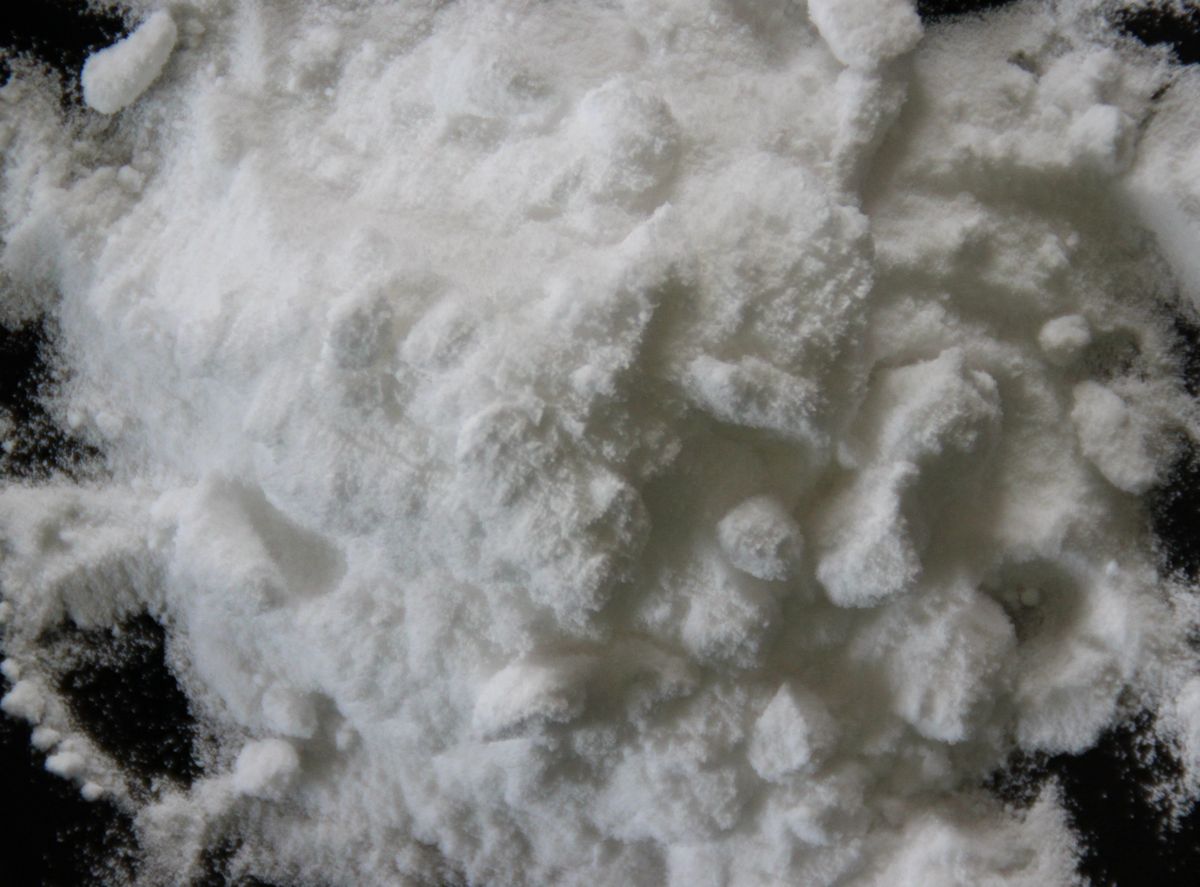
Sodium carbonate (Na₂CO₃), also called soda ash, is a white powder or granular material and one of the basic products of the chemical industry. Industrial soda ash is supplied in two main forms — light and dense. Their chemistry is the same; they differ in bulk density and typical applications.
What sodium carbonate is
Sodium carbonate · soda ash
- CAS
- 497-19-8
- Molar mass
- 105.99 g/mol
- Appearance
- white powder or granules
- Solution
- alkaline, pH ≈ 11
- Behaviour
- hygroscopic, cakes
- GHS
- eye irritation
Sodium carbonate is the sodium salt of carbonic acid. Unlike baking soda (sodium bicarbonate, NaHCO₃), it is a stronger base. It is hygroscopic — it absorbs moisture from humid air and cakes — so packaging and storage matter.
Soda ash is produced by calcining sodium bicarbonate. The main industrial routes are the Solvay ammonia-soda process, which uses salt and limestone, the combined process that also yields ammonium chloride, and processing of natural soda (trona).
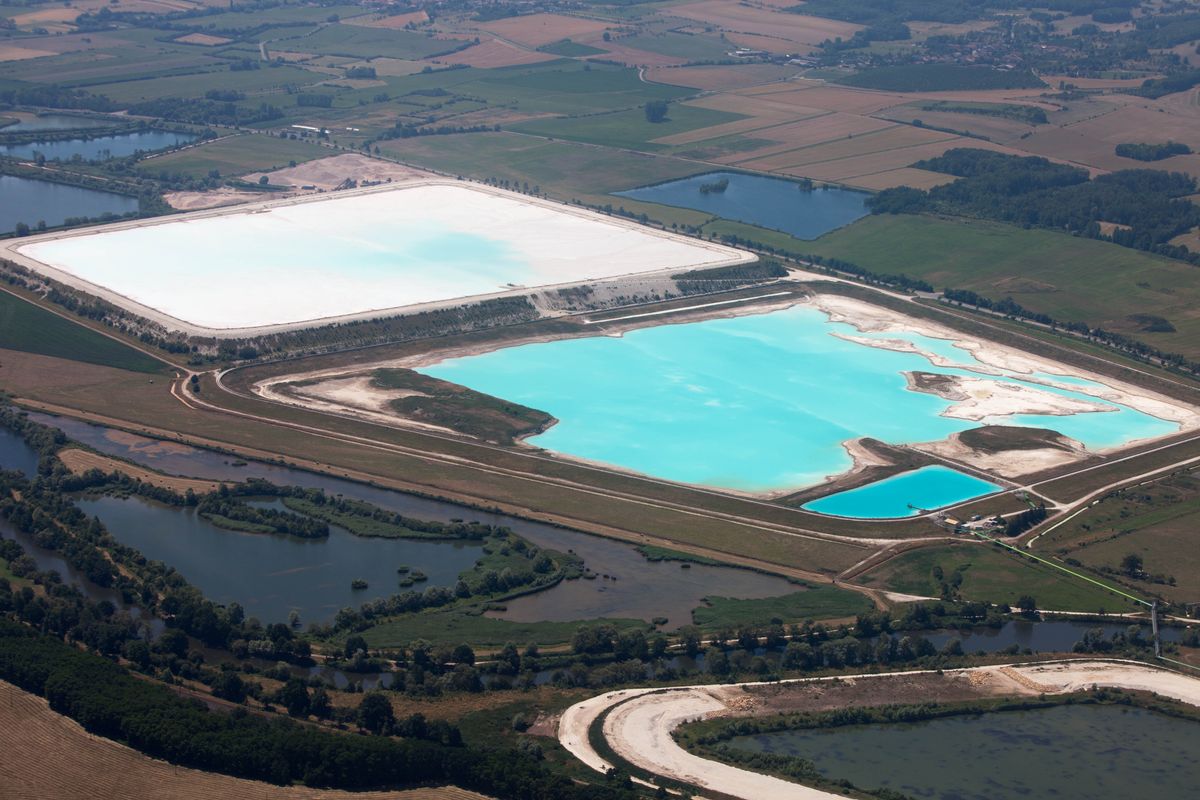
Light vs dense soda ash
| Light soda ash | Dense soda ash | |
|---|---|---|
| Form | fine powder | granules |
| Bulk density | ≈ 0.5–0.6 t/m³ | ≈ 0.9–1.1 t/m³ |
| Dust | higher | lower |
| Typical use | chemicals, detergents, water treatment | glass manufacturing |
| Price | lower | usually higher — extra processing |
If your process does not require a granular product, light soda ash is the more economical choice. Dense ash produces less dust and blends evenly with sand, which is why glass plants prefer it.
Grades and standards
In Russia and other EAEU countries, technical soda ash is produced to GOST 5100-85, which defines grade A (granular) and grade B (powder). In China, the applicable standard is GB/T 210-2022 "Sodium carbonate for industrial use", which divides products into classes and quality grades.
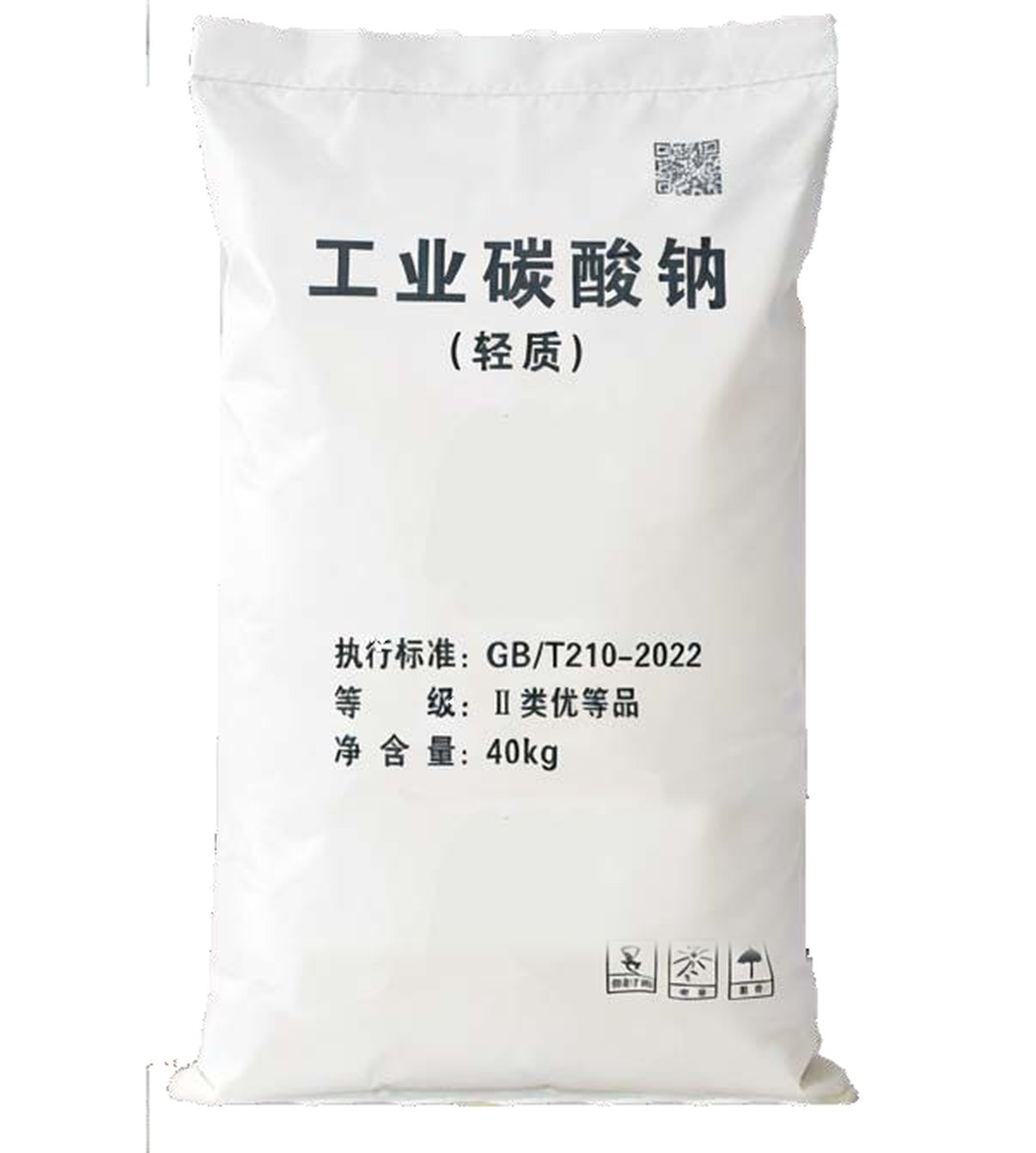
For imports, compare products by the actual values in the technical data sheet (TDS) and the batch certificate of analysis (COA), not by grade names.
Parameters to check when buying
Besides the main assay, agree the impurities that matter for your process:
- sodium carbonate content — usually at least 99% for technical grades;
- chlorides (as NaCl);
- iron (as Fe₂O₃) — especially important for clear glass;
- water-insoluble matter;
- loss on ignition (moisture);
- bulk density and particle size — for dense soda ash.
Compare offers against the same quality requirements and the same delivery point. A low price may reflect higher chloride or iron content, which some processes cannot accept.
Where soda ash is used
Glass
The largest application: flat and container glass, glass fibre. Soda ash lowers the melting temperature of silica sand.
Chemicals
Sodium silicates, phosphates, sodium bicarbonate and other compounds.
Detergents
Alkaline builder and water softener in powders and cleaners.
Metallurgy
Flux, desulphurisation, non-ferrous ore processing.
Water treatment
pH adjustment and softening — reducing calcium hardness.
New materials
Lithium carbonate from brines, with soda ash as the precipitant.
Paper and textiles
Pulp, paper and textile manufacturing.
Soda ash in Kazakhstan
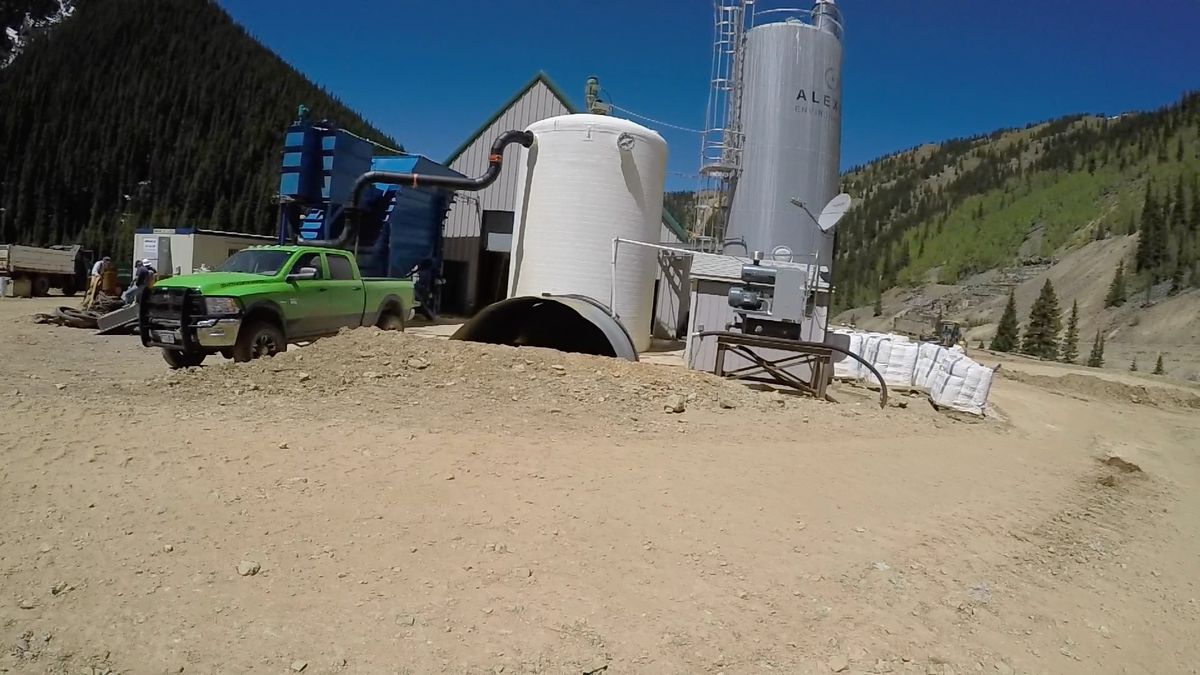
Kazakhstan has no domestic soda ash production yet: demand from glass, chemical and mining companies is covered by imports — about 350 thousand tonnes in 2023 according to foreign trade statistics. The main suppliers are Russia and China. Domestic soda plant projects are under way, so the market structure may change in the coming years.
For supplies from China the route matters: cargo from western China crosses the border at Khorgos. Soda ash is not classified as dangerous goods under ADR, so it is simpler to transport than oxidisers, but packaging must keep the product dry.
Packaging, storage and safety
- Packaging: polypropylene bags with a polyethylene liner of 25, 40 or 50 kg, or 1-tonne bulk bags.
- Storage: a dry, covered warehouse — soda ash cakes on contact with moisture.
- Safety: not flammable but causes serious eye irritation. Use goggles and dust respiratory protection; details are in the safety data sheet (SDS).
What to include in your inquiry
- the form (light or dense) and your application;
- required values: Na₂CO₃ content, chlorides, iron, insoluble matter;
- lot size and delivery frequency;
- packaging and unloading arrangements;
- destination city and preferred delivery terms (for example FCA or DAP);
- documents you need: COA, SDS, customs documents.
Qinghai Zhenhuida's catalogue currently lists light soda ash; dense soda ash is subject to an availability check. Specification, packaging and lot availability are confirmed before contracting.
Frequently asked questions
How is soda ash different from baking soda?
Baking soda is sodium bicarbonate (NaHCO₃), a mild base used in food. Soda ash is sodium carbonate (Na₂CO₃), a stronger alkali for industrial use; it is not used in food.
How is soda ash different from caustic soda?
Caustic soda is sodium hydroxide (NaOH), a strong corrosive alkali that causes chemical burns. They are different substances with different uses and are interchangeable only in some processes.
Which soda ash is used for glass?
Usually dense (granular) soda ash: it produces less dust and blends evenly with sand. Acceptable iron and chloride levels depend on the plant's process.
Is soda ash dangerous goods?
No, it is not classified as dangerous goods under ADR. It does irritate the eyes and must be kept dry in transport and storage.
Which documents come with a shipment?
Usually a batch certificate of analysis (COA) and a safety data sheet (SDS). The full set of import documents is agreed with the importer before shipment.