Contents
- Caustic soda is sodium hydroxide (NaOH), a corrosive alkali. Soda ash is sodium carbonate (Na₂CO₃), a milder base.
- Caustic soda causes chemical burns and ships as class 8 dangerous goods; soda ash is not dangerous goods.
- They are made differently and used in different processes; one can replace the other only in some cases.
- Washing soda (Na₂CO₃·10H₂O) and baking soda (NaHCO₃) are different products again.
In procurement, "soda" can mean at least four different substances. A wrong name leads to a wrong offer — and sometimes to transport problems: caustic soda is dangerous goods, soda ash is not. Here is a short comparison to help you word your request correctly.
Four kinds of soda compared
| Soda ash | Washing soda | Baking soda | Caustic soda | |
|---|---|---|---|---|
| Substance | sodium carbonate | sodium carbonate decahydrate | sodium bicarbonate | sodium hydroxide |
| Formula | Na₂CO₃ | Na₂CO₃·10H₂O | NaHCO₃ | NaOH |
| Other names | soda, calcined soda | soda crystals | bicarbonate of soda | lye, caustic |
| Alkalinity (1% solution) | strong, pH ≈ 11 | as soda ash, but less active substance | weak, pH ≈ 8 | very strong, pH ≈ 13 |
| Hazard | eye irritant | eye irritant | practically harmless | causes chemical burns |
| Dangerous goods | no | no | no | yes, class 8 (UN 1823 / 1824) |
| Main uses | glass, chemicals, detergents, water treatment | household cleaning | food industry | alumina, pulp, soap, chemical synthesis |
Washing soda contains about 37% sodium carbonate — the rest is water. For industry, anhydrous soda ash is the economical choice.
How they are made
- Caustic soda is produced by electrolysis of salt brine, which also yields chlorine and hydrogen. It is supplied as a solution (usually 46–50%), flakes or pearls.
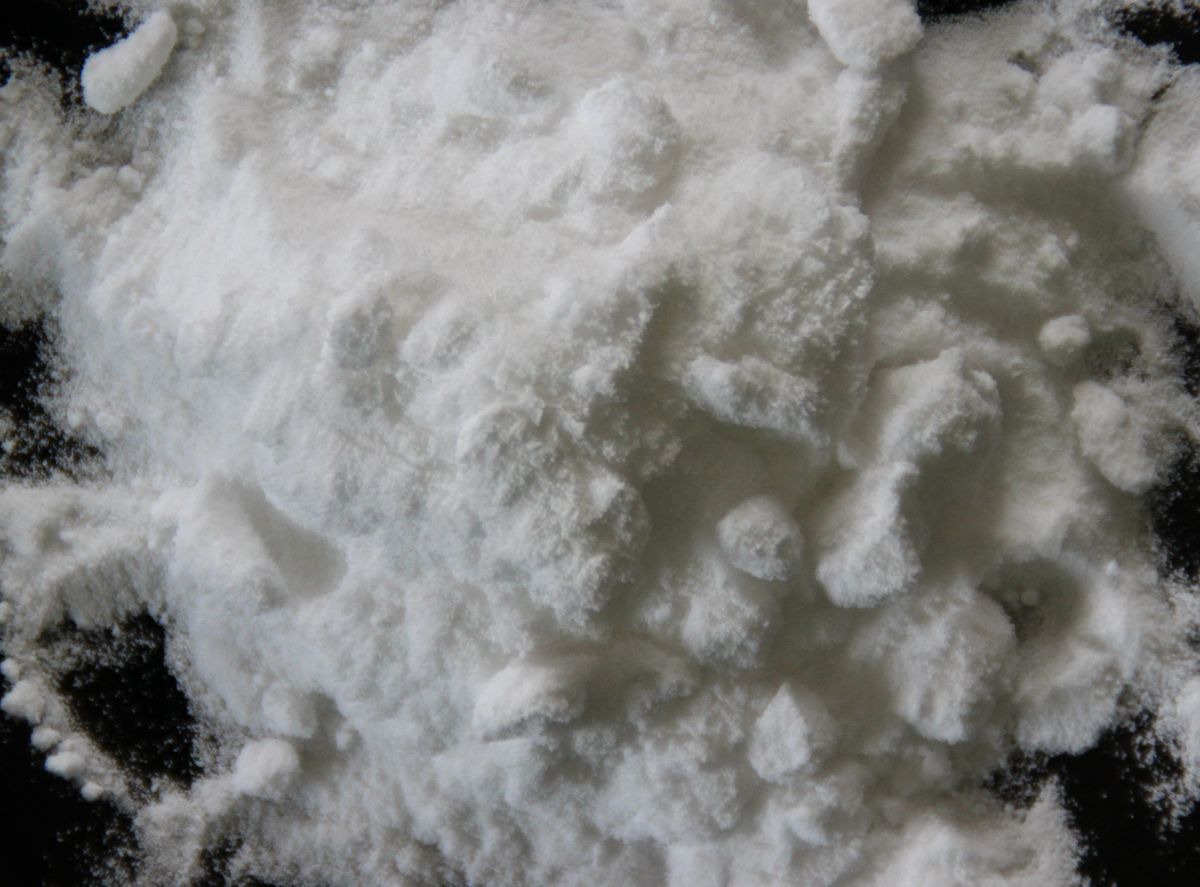
- Soda ash is made by the Solvay ammonia-soda process, the combined process or from natural soda (trona). See our separate article on soda ash production.
Can one replace the other?
In some processes — such as neutralising acidic effluent or adjusting pH — soda ash can partly replace caustic soda: it is cheaper and safer to handle. But it releases carbon dioxide, the dosage differs and the final pH is lower. In many processes — alumina, soap, a number of chemical syntheses — substitution is not possible.
A process engineer decides on substitution after recalculating dosage and checking the process. The product name in your request should match your process documentation.
How to name the product in a request
- chemical name and formula: "sodium carbonate (Na₂CO₃), soda ash";
- form: light or dense;
- required values and standard;
- intended use — it helps rule out confusion with caustic soda.
Qinghai Zhenhuida supplies soda ash. Caustic soda is not in our current catalogue.
Frequently asked questions
Are caustic soda and soda ash the same thing?
No. Caustic soda is sodium hydroxide (NaOH); soda ash is sodium carbonate (Na₂CO₃). They differ in alkalinity, hazard and use.
Which is more hazardous?
Caustic soda: it causes chemical burns to skin and eyes and ships as class 8 dangerous goods. Soda ash irritates the eyes but is not dangerous goods.
Can soda ash replace caustic soda?
Only in some processes, such as neutralisation or pH adjustment, and after a process engineer recalculates dosage. In many processes it is not possible.
What is washing soda?
It is sodium carbonate decahydrate (Na₂CO₃·10H₂O). About 63% of its mass is water, so industry usually buys anhydrous soda ash.